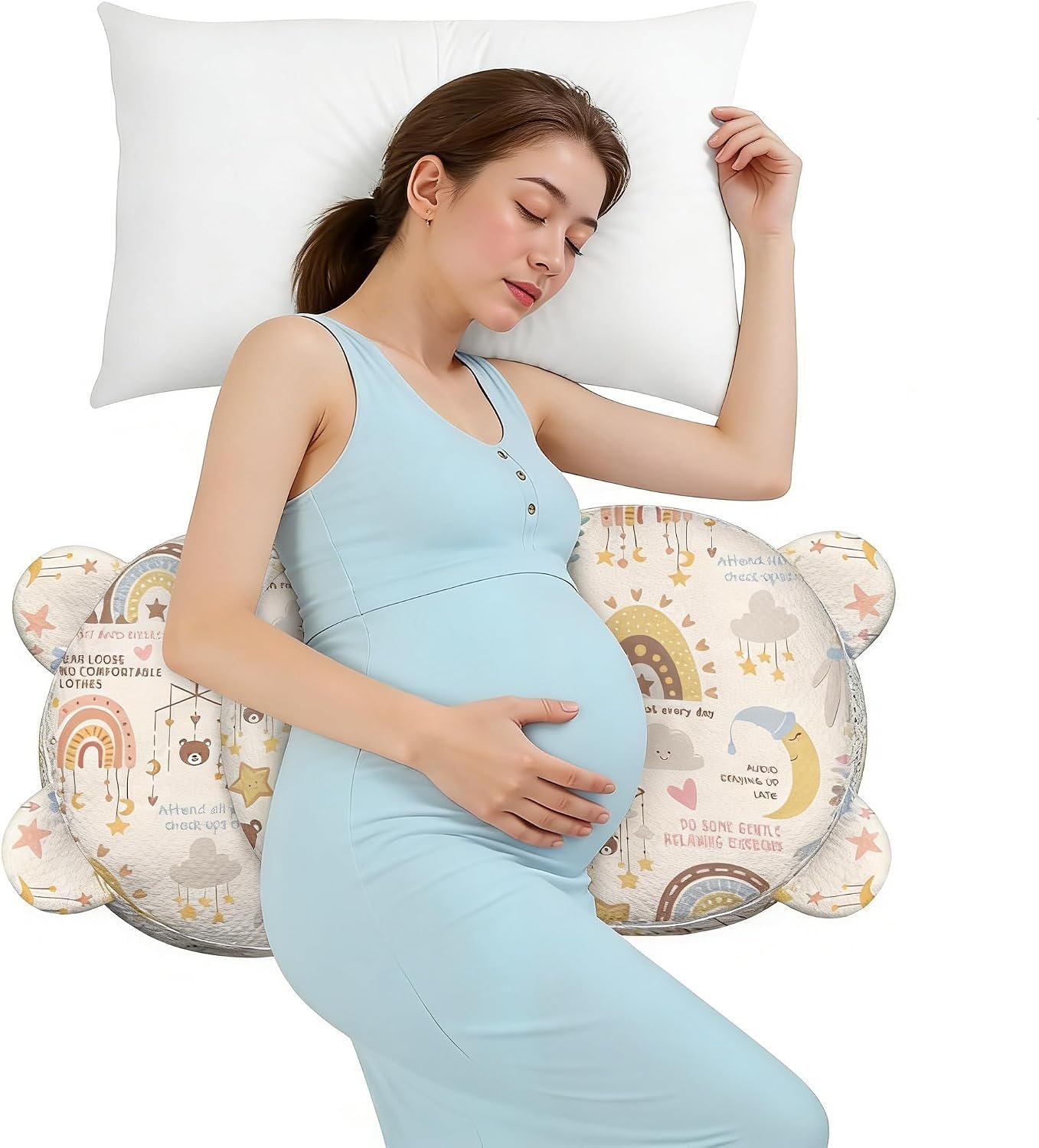
The Pregnancy Pillow for Sleeping may suit you if you want targeted belly or back support in a wedge rather than full-body coverage; the listing price is $18.99. Its listed size is 28.3 by 15.7 inches, with cotton fill and a removable, machine-washable cover. Support and sleep benefits are listing claims, not independently verified results.
- The listing price is $18.99, and the item is shown as in stock.
- The listed wedge is one size and measures 28.3 by 15.7 inches.
- The listing identifies cotton as the fill material and fabric type.
- The manufacturer says the cover is removable and machine washable.

What is a pregnancy pillow, and how does it support sleep during pregnancy?
A pregnancy pillow is a body-support pillow designed to improve comfort and sleep through positioning; what it supports depends on its shape. The Pregnancy Pillow for Sleeping is listed as a wedge, a shape used for targeted support rather than full-body coverage. Its listed dimensions are 28.3 by 15.7 inches, and the listing specifies one size and cotton fill.
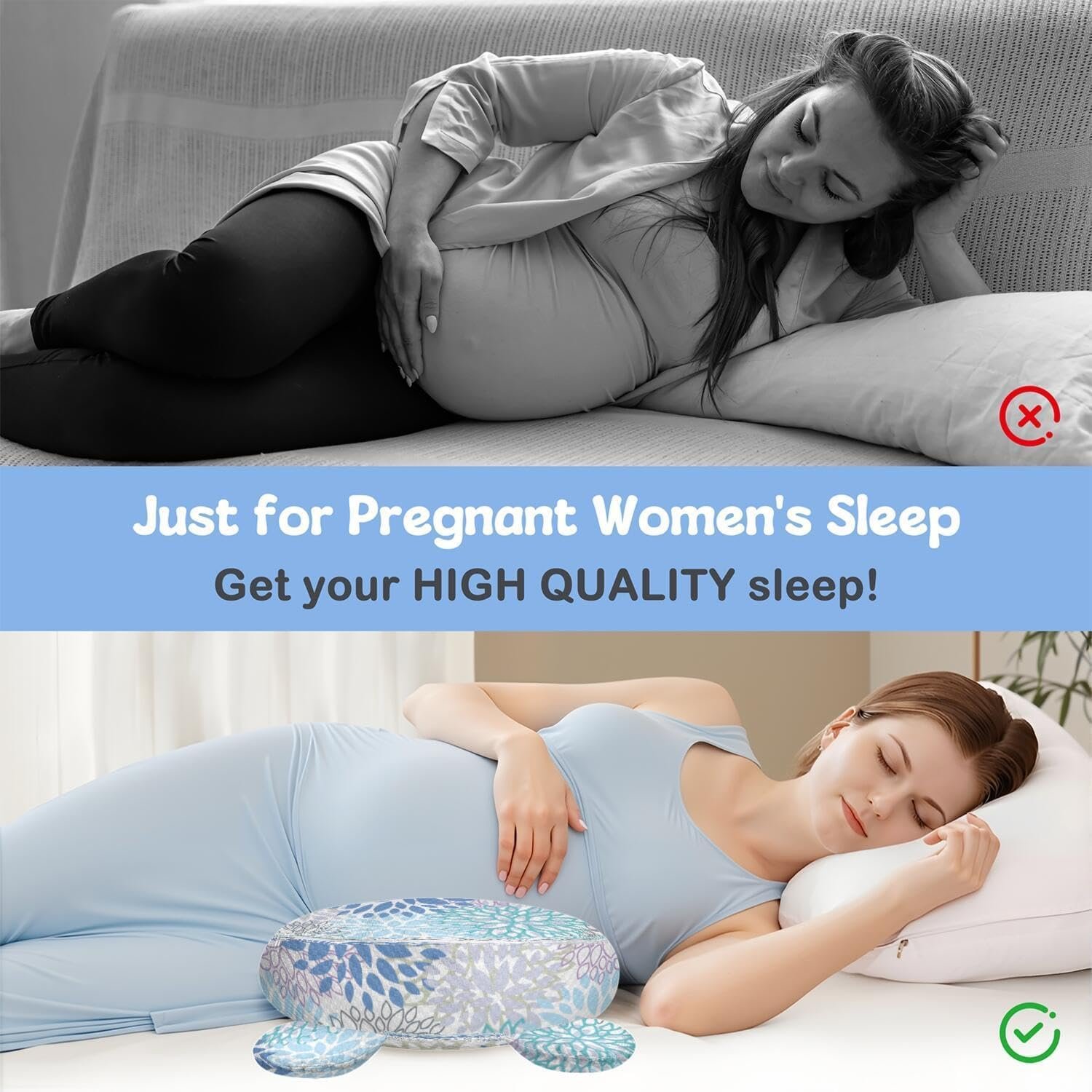
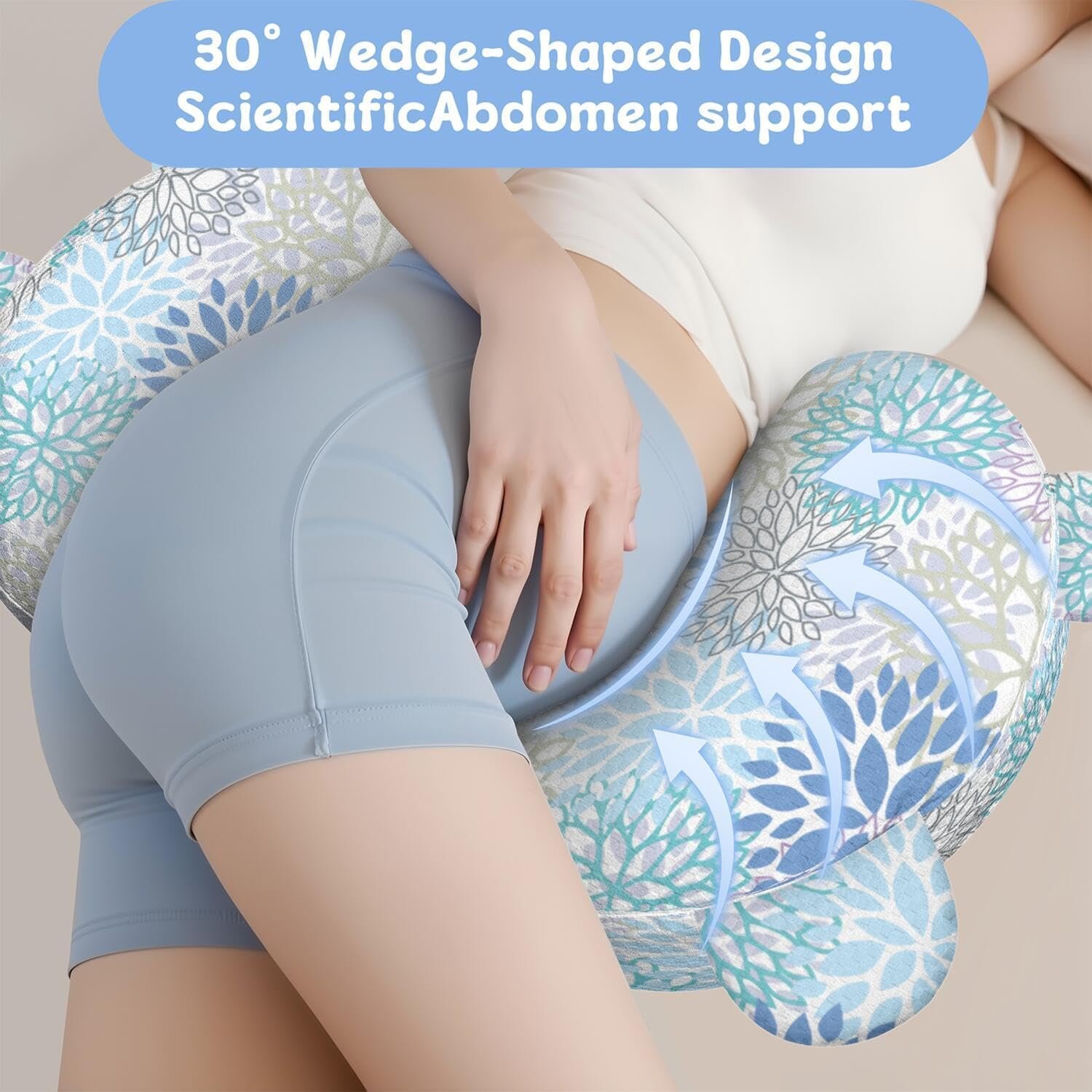
The Pregnancy Pillow for Sleeping listing says the wedge is designed to support the bump and back. It also claims that positioning the belly on the pillow can align the spine and relieve pressure points. Those are manufacturer statements, not independently verified outcomes: the available evidence contains no hands-on test of this product. As a general category, pregnancy pillows may support areas including the bump, hips, back, neck, knees, or legs, depending on design. The Pregnancy Pillow for Sleeping offers one targeted shape, so consider which area you want to cushion before choosing it.
Does using a pregnancy pillow improve sleep quality or reduce common pregnancy discomforts?
Pregnancy pillows may help some people feel more comfortable, but the available general claims don’t establish a guaranteed result for every user. One source describes possible relief for common aches, especially low-back and hip pain, while another says these pillows can offer comfort, deeper sleep, and reduced pain. The Pregnancy Pillow for Sleeping listing claims belly and back support. It also says the wedge may relieve pressure points and promote side sleeping.
Those product statements aren’t backed here by product-specific sleep results or hands-on testing. The Pregnancy Pillow for Sleeping may be worth considering if targeted support matches what you need, but this evidence can’t tell you whether it will improve your sleep. No buyer-review claims or product rating are provided, so buyer sentiment can’t be assessed. The Pregnancy Pillow for Sleeping should therefore be judged from its listed design and specifications, not from assumed customer satisfaction or a promised health outcome.
When during pregnancy should you start using a pregnancy pillow?
There’s no set time to start using a pregnancy pillow; your comfort needs can guide the decision. A source suggests considering one when a growing belly makes it harder to get comfortable in bed. That makes the Pregnancy Pillow for Sleeping an option to consider when you want extra support, rather than something you must begin using at a particular point.
Sources give different general reference points, not a universal rule. One says many people begin in the second trimester, around to weeks. Another suggests trying a pillow around weeks. The Pregnancy Pillow for Sleeping doesn’t have a product-specific recommended start time in the supplied listing details. These general timings can help you frame the choice, but they don’t establish when you personally need one. If you’re comfortable without extra support, the evidence doesn’t say you need to start; if getting comfortable becomes difficult, comfort can guide whether to try one. The Pregnancy Pillow for Sleeping is a wedge, so its support is targeted rather than whole-body.
Which pregnancy pillow shape—wedge, full-length, or total-body—best supports different sleeping positions?
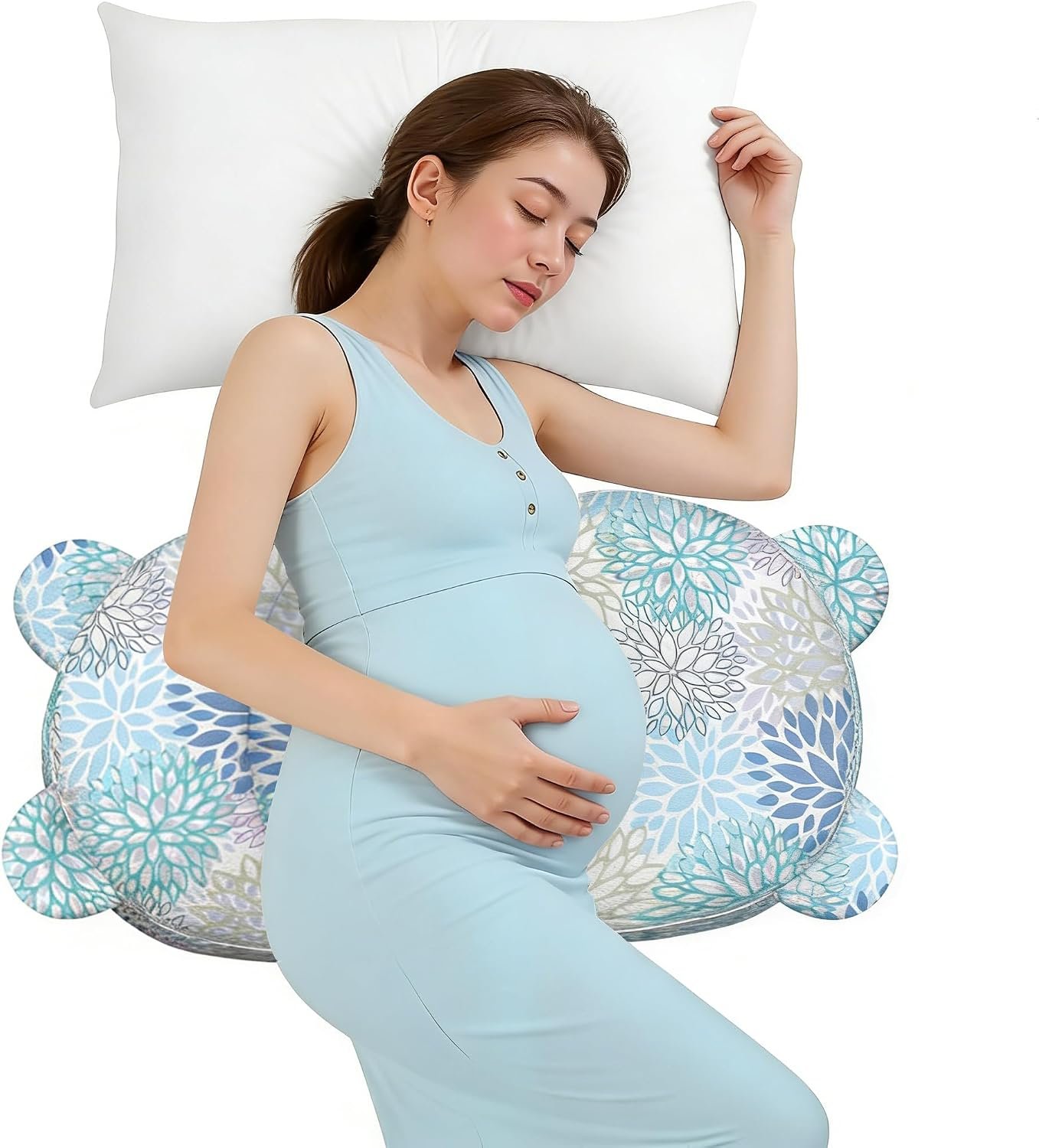
A wedge is for targeted support, a full-length pillow runs alongside the body, and C- or U-shaped pillows offer broader body coverage. The Pregnancy Pillow for Sleeping is a wedge, which may suit you if you want support under the belly or behind the back. Full-length pillows can support the arms, legs, and bump, while total-body designs are intended to cradle the body and align the spine, hips, and legs.
Wedges are described as compact, while U-shaped pillows cradle both sides but can be bulky and take up bed space. The listing describes this particular wedge as compact, but that is a manufacturer claim, not a measurement of its space use in your bed. The Pregnancy Pillow for Sleeping shouldn’t be treated as equivalent to whole-body coverage. If you want support on both sides, a U-shaped design may suit you better. If you want head-to-knees support, full-body designs are intended to cover those areas. The Pregnancy Pillow for Sleeping is most relevant when you’re seeking targeted support, not a pillow that surrounds your body.
What size, filling, and firmness should you look for in a pregnancy pillow?
The listing specifies a one-size wedge measuring 28.3 by 15.7 inches, with cotton fill and cotton fabric. The Pregnancy Pillow for Sleeping is smaller in listed dimensions than a full-body design’s overall coverage suggests, but the available evidence doesn’t provide a direct size comparison for this product against other pillows. Full-body pillows can take up substantial bed space, while wedge-shaped designs are an option when you want less bed coverage.
The manufacturer calls the support “gentle yet firm,” but the listing provides no firmness scale or filling density. In general, cotton and polyester pillows are usually softer than foam options; the Pregnancy Pillow for Sleeping listing identifies cotton, not foam. The listing also describes the materials as hypoallergenic, but that claim isn’t independently verified in the supplied evidence. Think about whether the stated size and targeted shape meet your needs, since the listing alone doesn’t establish how firm or supportive the pillow will feel to you. The Pregnancy Pillow for Sleeping has no published firmness measurement in the available details.
How much do pregnancy pillows cost, and what features affect their price?
The Pregnancy Pillow for Sleeping is listed at $18.99 and shown as in stock. The provided evidence doesn’t include prices for other pillow shapes or sellers, so it can’t establish whether this item costs less than comparable alternatives. A wedge has a targeted-support role and is described generally as compact and easy to travel with; larger body-pillow formats are designed to support more of the body. Those differences describe use and size, not a verified market-wide price advantage.
For the Pregnancy Pillow for Sleeping, the listing identifies cotton fill and says the cover is removable and machine washable. Those features may matter to you when weighing the purchase, but the listing doesn’t provide evidence about durability or how the pillow feels after use. Nor does the available information compare the cost of its cotton filling with other materials. The product’s listed price is therefore a useful starting point, not proof that it offers better value than a full-length or total-body pillow. Decide first whether targeted belly or back support fits your needs; the evidence doesn’t show that this wedge provides the coverage of a larger format.
How should you position and use a pregnancy pillow for side sleeping?
A wedge can be placed beneath the belly while you lie on your side, according to general positioning guidance. The Pregnancy Pillow for Sleeping listing says its wedge can be positioned under the belly or behind the back. That describes the manufacturer’s suggested use; there’s no hands-on test in the supplied evidence to confirm how easily this particular pillow stays in place. Try a position that feels comfortable and stable rather than assuming one arrangement works for everyone.
For side sleeping, general guidance suggests placing a pillow between the knees and thighs to help keep the hips level and ease strain on the lower back and pelvis. A wedge is intended for more targeted support, so the available evidence doesn’t say it provides the same head-to-toe support as a full-length pillow. The Pregnancy Pillow for Sleeping listing offers two suggested positions, beneath the belly or behind the back, but gives no more detailed instructions for arranging it. The Pregnancy Pillow for Sleeping should be adjusted to your comfort; the advice here is general, not the result of testing this product.
Can pregnancy pillows cause discomfort or create any safety concerns?
The supplied materials contain no product-specific safety testing, so the listing’s safety language shouldn’t be treated as verification. The Pregnancy Pillow for Sleeping listing claims the materials are hypoallergenic and safe for a parent and baby, but no independent evidence supporting those statements is provided. It also claims the wedge can prevent you from rolling onto your back; that prevention claim is unverified here. A pillow shouldn’t be treated as a guarantee against rolling or as a substitute for medical advice.
General guidance says to adjust pillow placement until it feels stable and secure throughout the night. If a position feels uncomfortable or unstable, adjust it rather than relying on a product claim. The Pregnancy Pillow for Sleeping has no safety-test results in the supplied evidence. A separate, clear caution is that a baby should not sleep on a maternity pillow. The Pregnancy Pillow for Sleeping is described for maternity and sleeping use, but that doesn’t make it a sleep surface for an infant. Consult a qualified healthcare professional for personal medical guidance; the listing doesn’t establish that this pillow prevents a particular risk.

How do you clean and maintain a pregnancy pillow?
The manufacturer says the Pregnancy Pillow for Sleeping has a removable, machine-washable cover. That’s a listing claim; the supplied evidence includes no hands-on verification. A removable washable cover can help with routine cleaning, and a general source says such covers can help prevent buildup of bacteria, dander, and allergens. The Pregnancy Pillow for Sleeping listing doesn’t provide washing instructions for the pillow insert, so don’t assume the insert can be washed in the same way as the cover.
Before cleaning, check the care information supplied with the item, since the available listing details don’t specify insert-care instructions. The manufacturer describes the cover as zippered and removable, but the evidence doesn’t establish how it performs after repeated washing. The Pregnancy Pillow for Sleeping has cotton listed as its fill material, but that specification alone doesn’t give care instructions for the insert. The practical maintenance point is limited: the cover is claimed to be machine washable, while the insert’s washing method is unavailable in the provided details.
Pros and Cons
Pros
- The listed wedge is intended to provide targeted support under the belly or behind the back.
- The listing gives a specific one-size measurement of 28.3 by 15.7 inches.
- The manufacturer says the cover is removable and machine washable.
- The listing identifies cotton as the fill material and fabric type.
Cons
- The listing’s support and sleep benefits aren’t independently verified in the supplied evidence.
- The wedge is designed for targeted support, not the broader coverage offered by full-body pillow designs.
- No product-specific buyer-review claims or rating are provided, so buyer sentiment can’t be assessed.
- The available listing details don’t state washing instructions for the pillow insert.
Final Verdict
| Pillow type | Support or use | Bed space or portability |
|---|---|---|
| U-shaped pillow | U-shaped pillows offer full-body support and are suited to people who want… | it is bulky and takes up bed space |
| C-shaped pillow | C-shaped pillows support the head, belly, and knees while leaving more space in… | leaving more space in bed |
| Wedge pillow | can provide targeted support under the belly or behind the back | compact, budget-friendly, and easy to travel with |
| Source | Suggested timing |
|---|---|
| wildbird.co | around the second trimester, typically near week 20 |
| huckleberrycare.com | around weeks |
| boppy.com | in the second trimester, around to weeks |
| groovepillows.co.uk | around the second trimester or 20-week mark |
Key Takeaways
- Consider this wedge if you want targeted belly or back support rather than full-body coverage.
- Check whether the listed 28.3-by-15.7-inch size fits your needs; the listing identifies it as one size.
- Treat the support, sleep, hypoallergenic, and rolling-prevention statements as listing claims, not verified results.
- The manufacturer says the cover is removable and machine washable, but insert-washing instructions aren’t provided.
Frequently Asked Questions
Does a pregnancy pillow help you sleep?
Pregnancy pillows may help with comfort and sleep through positioning, but results aren’t guaranteed. The available evidence doesn’t provide product-specific sleep results for this wedge.
What month should you get a pregnancy pillow?
There’s no set time; comfort can guide when you try one. Sources mention the second trimester, including around to weeks or around weeks, as general reference points rather than rules.
What type of pillow is best for pregnancy sleep?
The best shape depends on the support you want: wedges target one area, while C- or U-shaped pillows provide broader support. U-shaped designs can support both sides but take up bed space.
Can you get money while pregnant?
The supplied evidence doesn’t provide information about financial benefits or eligibility during pregnancy, so this can’t be determined from these sources.